
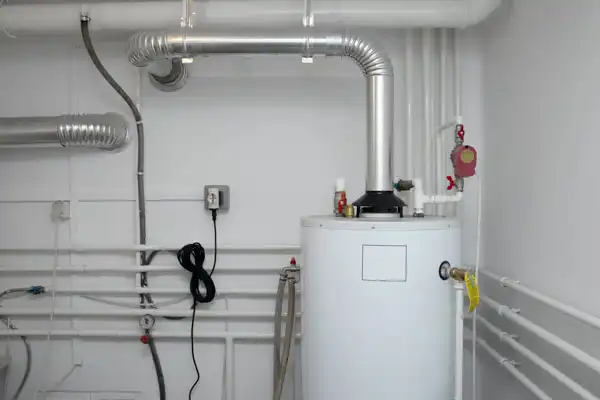
A hydronic heating system, which circulates hot water through pipes and radiators to heat a home, should supply steady warmth to every room in your home. A boiler not heating radiators leaves your living space cold during chilly Pennsylvania winters. Many older homes across Pittsburgh rely on cast iron radiators or baseboard units connected to a central boiler. When you notice radiators not heating up after raising the thermostat setting, several distinct issues may be the cause. Problems can range from small air pockets trapped in upper pipes to mechanical part failures at the boiler.
Learning how your boiler moves hot water helps you spot heating trouble fast. Several simple checks require only basic steps that homeowners can handle safely on their own. Other hydronic system faults require specialized testing tools and professional diagnostic service from A-Comfort Service. This practical guide covers common heating failures, troubleshooting steps you can try, and when to call a licensed technician for help.
Troubleshooting an Isolated Cold Radiator
When you find your boiler not heating radiators in specific rooms, the trouble usually sits right at those units. The central boiler equipment in the basement is likely running just fine. Checking the heat pattern across the metal surface gives you quick clues about what blocks water flow.
Air Pockets and How to Bleed a Radiator
Trapped air is the most common reason for a single cold radiator. Air naturally rises to the highest points of a closed heating loop. These air pockets stop hot water from circulating through the internal metal channels. A clear sign of trapped air is a unit that feels warm at the bottom pipe but stays cold across the top.
Learning how to bleed a radiator safely takes only a few minutes. To bleed a radiator properly, follow these simple steps:
- Turn off your boiler and let the radiator cool down before you continue.
- Locate the small bleed valve near the top corner of the unit.
- Place a small cup and a dry rag under the valve opening to catch water drops.
- Turn the valve stem counterclockwise slowly with a radiator key or a flat screwdriver.
- Listen closely for a hissing sound as trapped air escapes from the unit.
- Close the valve firmly clockwise once a steady stream of water trickles out without air bubbles.
If cold spots linger across several rooms after venting, the heating system may need flow balancing across the whole pipe circuit.
Inspecting the Radiator Valve
If bleeding the unit does not bring the heat back, inspect the radiator valve on the lower supply pipe. Radiators use either manual handwheel valves or thermostatic radiator valves to control room warmth. A manual valve might have been shut by mistake during cleaning, which blocks incoming hot water.
Thermostatic valves contain an internal spring pin. This pin can stick in the closed position over long summer months. You can unscrew the plastic control head by hand to reveal the small metal pin beneath it. Press down on the pin gently to see if it springs back up. If the pin stays stuck down, tap the valve body gently with a small wooden block to loosen it. For persistent valve trouble or leaking stems, scheduling professional boiler heating services can help prevent water damage and restore steady heat delivery.
System-Wide Causes of a Boiler Not Heating Radiators
When every radiator in your home stays cold, the trouble points to the central boiler or its main controls. The burner may light up as usual, but hot water does not reach the rooms above. Checking water pressure, the main pump, and thermostat wiring helps you find the source of the problem.
Low Boiler Pressure and Gauge Readings
A hydronic boiler needs steady water pressure to push heat up into your living spaces. A sudden drop in system water pressure is a common cause of a boiler not heating radiators across your whole house. You can check this by reading the round pressure gauge on your boiler cabinet.
Most residential systems run between 12 and 15 PSI when the water is cold. City suppliers like Pittsburgh Water send water to homes at much higher pressure. An automatic feed valve steps down this incoming pressure so it stays safe for boiler parts. When pressure falls below 12 PSI, a low-pressure switch can shut down the burner so dry firing does not crack the heat exchanger.
Water pressure often drops right after you bleed radiators, since letting air out also releases a bit of water. Tiny pinhole pipe leaks or a dripping pressure relief valve can also drain water over time. You can bring pressure back up with the boiler filling loop valve. This valve connects your cold water supply to the boiler return pipe. Turn the valve handle slowly to add fresh water until the gauge reaches 12 to 15 PSI, then shut it tight. If pressure keeps dropping every few days, have an expert find and repair the leak.
When boiler pressure spikes during heating and drops fast when cold, the expansion tank may have lost its air cushion. The expansion tank holds an air pocket that takes in expanding hot water. If this tank fills up with water, high pressure forces open the safety relief valve. Water spills out onto the floor, leading to steady pressure loss.
Circulator Pump Malfunctions and Circulation Blocks
The circulator pump drives hot water out of the boiler and pushes it through your heating loops. If the burner fires but the supply pipes stay cold, the pump may have stopped running. Put your hand near the pump casing to feel for a gentle hum or slight vibration.
A pump motor that hums without moving water often suffers from a stuck impeller. The impeller is a small spinning wheel inside the pump body that pushes water through the lines. Mineral grit or worn motor bearings can easily lock this wheel in place. When a failed circulator pump keeps hot water from reaching the radiators, the burner cycles on while the pipes stay cold. Bad thermostat wiring can also cut off heat by failing to signal the pump or zone valves, the components that route hot water to specific areas of the house. Homeowners who want reliable room control often choose smart thermostat installation to keep wall units talking clearly with hydronic zone controls.
Internal Sludge Accumulation and Professional Boiler Solutions
Over years of use, water inside cast iron radiators and steel pipes reacts with bare metal. This slow chemical change creates black iron oxide sludge, also called magnetite. Heavy rust grit sinks to the bottom of radiators and low pipe fittings, slowing hot water flow. Sludge buildup is another frequent cause of a boiler not heating radiators in older local homes.
Identifying Hydronic Sludge and Mineral Scale
A radiator that feels warm at the top but cold near the base usually has sludge buildup instead of trapped air. Thick mud settles in the bottom of each radiator panel and blocks hot water from passing through. Hard well or city water across Southwestern Pennsylvania also deposits mineral scale inside the heat exchanger.
Scale layers trap heat inside the metal, making the boiler burn extra fuel to warm your home. Heavy scale can also cause localized boiling and loud banging sounds called kettling. Left alone, thick sludge and hard scale wear out pump seals and can cause early boiler breakdown.
Technicians have several ways to clear out hydronic sludge. For heavy buildup, a power flush pumps fast-moving water and cleaning agents through each pipe loop. However, a vigorous power flush has real trade-offs. The strong water flow can wash away old scale that was sealing tiny cracks. This sudden cleaning can uncover pinhole leaks in aging cast iron radiators or weak copper joints.
On older heating systems with fragile pipes, technicians often suggest gentler methods. These choices include low-pressure chemical rinses, manual radiator draining, or mounting a magnetic dirt filter on the boiler return pipe. A magnetic filter pulls iron grit out of the water without putting pressure on old pipes. Adding chemical rust inhibitors also balances water acidity to stop fresh sludge from forming.
Before adding rust inhibitors, technicians test the water pH and dissolved mineral levels with digital meters. Many manufacturers recommend keeping system water in a mildly alkaline range, around 8 to 8.5, which can help protect copper pipes from acid pitting and reduce damage to cast iron sections.
When to Schedule Professional Boiler Repair
Simple tasks like bleeding air and loosening stuck valve pins are easy for homeowners to do. Deeper hydronic issues call for testing tools and professional training. When you schedule boiler repair, Pittsburgh technicians inspect aquastat sensors to make sure water heats to the right temperature. An aquastat is a heat probe placed inside a metal well in the boiler tank. It tells the burner when to fire and when to shut down based on water heat. Technicians also test burner efficiency, expansion tank air pressure, and motorized zone valves. Persistent cold-radiator problems call for a professional diagnosis. Regular inspections and seasonal heating maintenance and repair keep water pressure steady, protect relief valves, and keep heating costs low all winter long.
Bringing Reliable Warmth Back to Your Radiators
Cold radiators point to hydronic issues that range from minor air pockets to failing mechanical parts. When only one radiator stays cold, bleeding trapped air or loosening a stuck valve pin usually brings the heat back quickly. If every radiator stays cold, check the boiler pressure gauge and circulator pump to identify the cause.
Maintaining water pressure between 12 and 15 PSI helps protect your heating equipment from wear, and treating system water can reduce internal rust and corrosion. Following these practical steps helps you catch a cold or unresponsive radiator before extreme winter temperatures arrive.
Professional Hydronic Heating Services
When troubleshooting points to pump failure, steady pressure loss, or heavy sludge buildup, professional service gives you a reliable solution. Licensed technicians at A-Comfort Service carry out boiler diagnostics, valve replacements, and heating repairs throughout the Greater Pittsburgh area. Contact us today.
Serving local homeowners since 1988, the team provides upfront pricing and 24/7 emergency service for sudden winter heating breakdowns. When you deal with a boiler not heating radiators, working with an experienced technician brings back reliable warmth. An expert can also test your system to see if older pipes can safely handle a power flush.