
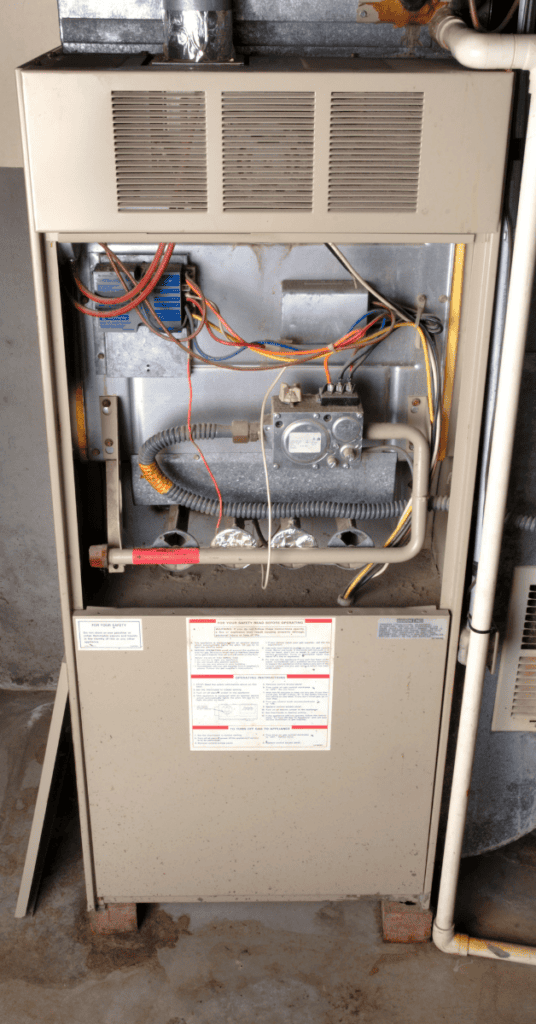
When your furnace won’t turn on, the cause is often simple. A wrong thermostat setting, a tripped breaker, or a clogged air filter can stop your heat quickly. Cold weather makes any sudden loss of heat stressful. Before you worry about a total breakdown, A-Comfort Service can help you check the basic switches around your home.
Some heating problems are easy to solve on your own in a few minutes. Other issues involve fuel valves, safety switches, or electrical controls that demand professional care. This furnace troubleshooting guide walks through practical steps to help you find the problem and get the heat running again safely.
Basic Heating Checks Before Calling for Service
Before you call a technician, check a few basic items around your house. Many heating service calls happen because of a simple switch or setting mistake. If your furnace won’t turn on at all, these quick steps can save you time and money.
Inspect Your Thermostat Settings
Your thermostat directs your heating system when to run. If it fails to call for heat, your furnace remains idle. Check these simple settings first:
- Make sure the system switch is set to Heat instead of Cool or Off.
- Set the target temperature at least five degrees above the current room temperature.
- Insert fresh alkaline batteries if your thermostat screen looks dim or blank.
- Verify that your smart thermostat is connected to Wi-Fi and shows no error messages.
- Confirm that active hold settings or eco-modes are not keeping the room at a lower setback temperature.
Check the Furnace Power Switch and Electrical Panel
Heating equipment needs steady power to operate the blower, control board, and safety switches. Locate the furnace power switch on the side of the unit or on a nearby wall. This switch looks like a standard light switch. A person can easily bump it while moving storage bins in the basement. Make sure this switch rests firmly in the On position.
Next, open your main circuit breaker box. Look for a breaker handle that rests in the middle position between On and Off. An electrical surge can trip a breaker without flipping it all the way to Off. Push the handle fully to the Off position first. Then, flip it back to the On position to reset the circuit.
Check the Blower Door and Air Filter
Modern furnaces use a safety interlock switch on the cabinet door. This switch cuts all power if the blower door comes loose or sits unevenly. Firmly push the door into the cabinet frame until the panel presses the switch down. If this safety button stays open, the heating system stays off.
A dirty air filter blocks normal airflow through the heat exchanger. This restriction traps excess heat inside the furnace cabinet. High internal temperatures trip the high limit safety switch, which shuts off the gas burners right away. Pull your filter out and hold it up to a bright light. If light cannot pass through the mesh, replace it with a clean filter immediately.
Why Your Furnace Won’t Turn On: Ignition and Pilot Issues
If power reaches the unit but the heat still fails to start, ignition trouble is often the cause. Worn ignition parts explain why your furnace won’t turn on when outdoor temperatures drop below freezing.
Understanding Electronic Ignition Systems
Most modern heating units rely on electronic ignition rather than a continuous pilot flame. These units light gas burners with either a hot surface igniter, a ceramic element that glows hot enough to ignite gas on contact, or a direct spark module, which creates a spark much like a grill igniter. A hot surface igniter must reach a very high temperature to light natural gas safely, and the exact threshold varies by model.
Manufacturers build these igniters from silicon carbide or silicon nitride ceramic material. Constant heating cycles make this ceramic brittle over time. A tiny hairline crack stops the component from heating up properly. If the igniter stays cold, the control board halts the lighting sequence, and the heat will not start.
Issues With a Standing Pilot Light
Older heating systems use a standing pilot flame that stays lit at all times. Strong drafts, low gas pressure, or dirt inside the pilot burner can blow this small flame out. When the pilot flame goes out, the furnace will not run.
A small metal safety sensor called a thermocouple sits directly inside the pilot flame. A working thermocouple typically generates 25 to 30 millivolts DC, a small electrical signal that keeps the gas valve open.1 When this probe wears out or shifts away from the flame, that signal drops and the safety valve snaps shut. This automatic shutoff helps keep raw, unburned gas from leaking into your home.
Dirty Flame Sensors and Microamp Readings
Modern gas furnaces use a process called flame rectification, in which the flame itself converts an electrical signal, to confirm that burners light properly. The control board sends a small alternating current down an insulated steel flame sensor rod. When gas ignites around the rod, the flame converts that signal into direct current, which the board reads as proof of a steady flame.
A clean flame sensor produces a steady, low electrical current, and the normal reading varies from one furnace to the next. Soot, oxidation, or dust on the rod weakens this current. If the signal grows too weak, the control board treats the flame as unreliable and shuts the gas valve. After repeated failed ignition attempts, many control boards lock out the system for a set period until it is reset.
Safe DIY Steps to Clean a Flame Sensor
You can clean a dirty flame sensor using basic hand tools by following these safe steps:
- Turn off the furnace power switch and close the manual gas shutoff valve.
- Remove the metal access door on the burner compartment.
- Locate the flame sensor, which looks like a thin metal rod set in white ceramic.
- Remove the hex screw that secures the mounting bracket.
- Slide the sensor rod out and disconnect the single slip-on wire lead.
- Gently polish the metal rod using fine steel wool or light emery cloth.
- Wipe off any loose residue with a dry cloth.
- Reattach the wire lead, place the sensor back into position, and tighten the screw.
- Replace the access panel, turn on the electrical switch, and reopen the gas valve.
Venting, Condensate, and Mechanical Safety Lockouts
Modern furnaces use sensitive safety controls to monitor exhaust flow and drain lines. When any safety switch detects a blockage, it stops the heating cycle right away to protect your household.
Draft Inducer Motors and Negative Pressure Switches
Before gas enters the burners, a small draft inducer, a fan that pulls fresh combustion air in and forces exhaust fumes out through the flue vent, starts up. A negative pressure switch monitors this airflow through a small rubber tube. The switch confirms that the fan creates enough draft, though the exact pressure setpoint is a small negative value measured in inches of water column that varies by furnace model.
Leaves, ice, snow, or nests can block the exterior exhaust pipe. When the vent pipe gets restricted, the switch stays open to keep harmful exhaust gases outside. A cracked hose, loose clamp, or moisture plug in the sensing port creates the same fault. When this switch fails to close, your heating system will not start.
Condensate Blockages in High-Efficiency Units
High-efficiency furnaces carry an AFUE (Annual Fuel Utilization Efficiency) rating between 90% and 99%, a measure of how much fuel energy actually heats your home instead of escaping through the flue.2 These units draw extra heat from combustion gases until the water vapor inside condenses into liquid, and the amount of condensate produced varies with the unit’s size and runtime.
Flexible plastic hoses channel this runoff into an internal drain trap.
The trap drains water directly into your household drain lines through PVC pipe.
Slime, dirt, or frozen drain lines outside can block the drain path.
If water backs up inside the trap, an overflow float switch trips and stops the furnace immediately.
Scheduling annual heating maintenance keeps condensate traps, inducer ports, and drainage pathways clean through cold weather.
Knowing When to Call an HVAC Professional
Basic steps like adjusting your thermostat or installing a clean filter are safe to do yourself. If these checks do not solve the problem, consider the safety risks before taking components apart.
Safety Risks and Warranty Conditions for DIY Repairs
Opening a furnace cabinet exposes you to high-voltage wires and live gas lines. Testing these components without the right instruments brings serious risks. A misplaced wire can ruin an expensive control board or deliver an electric shock. Improper burner work creates fire hazards or carbon monoxide leaks. Working on gas lines and testing manifold fuel pressure requires specialized pressure gauges and professional training.
Manufacturer warranties also enforce strict conditions. Most heating equipment brands require a licensed contractor to install parts and perform major repairs. Trying to fix gas valves, draft inducer fans, or blower motors on your own can void your warranty. When a warranty becomes void, you must pay for future replacement parts yourself. Professional service protects your warranty coverage and keeps your home safe.
How to Select a Qualified Heating Technician
When your furnace won’t turn on and you need help, look for a local heating contractor that meets these standards:
- Active licensing and insurance: Confirm that the contractor carries valid state licenses and full liability coverage.
- Industry certifications: Choose technicians certified by North American Technician Excellence (NATE).
- Accurate diagnostic tools: Skilled technicians test parts with digital multimeters and combustion analyzers rather than guessing.
- Clear scope of work: Reputable contractors explain the repair plan before any work begins.
- Code compliance: All heating work must follow the National Fuel Gas Code and local building codes.
If basic troubleshooting does not bring your heat back, scheduling prompt furnace repair in Pittsburgh delivers safe, code-compliant heating before temperatures plunge.
Schedule Reliable Heating Service in Pittsburgh
When your heat stops working during freezing weather, prompt service makes all the difference. A-Comfort Service has supported homeowners across Pittsburgh, PA, and surrounding communities since 1988. Our licensed/experienced professionals arrive with fully stocked vehicles to diagnose ignition failures, electrical faults, and airflow restrictions promptly.
We provide upfront pricing before any work begins, so you know what to expect. Our team also offers 24/7 emergency services when severe weather strikes and your heating equipment stops running. Homeowners throughout our area can contact us and trust our technicians for thorough heating inspections, honest system recommendations, and dependable long-term heating repairs any time a furnace won’t turn on.
Sources
- Lee A. Thermocouple. In: Basic HVAC. BCcampus. Accessed November 11, 2026. https://opentextbc.ca/basichvac/chapter/thermocouple/.
- U.S. Department of Energy, Federal Energy Management Program. Purchasing Energy-Efficient Residential Furnaces. Accessed November 13, 2026. https://www.energy.gov/cmei/femp/purchasing-energy-efficient-residential-furnaces.