
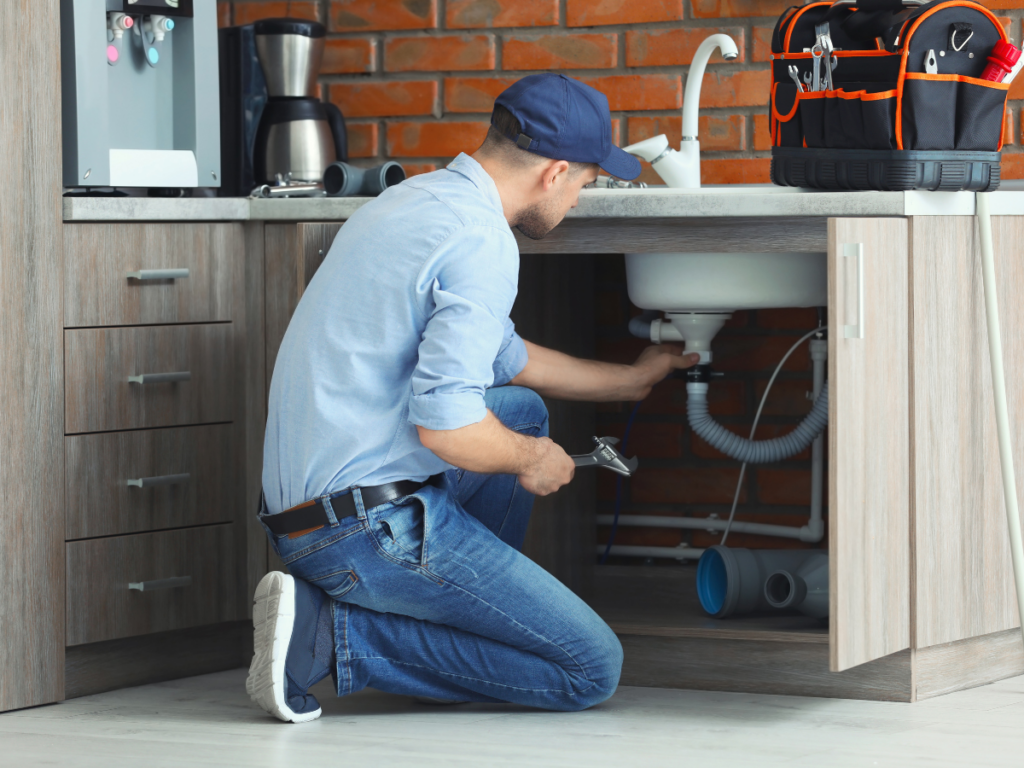
Water inside your home is a clear warning sign. This is especially true if the source is your air conditioner. Pittsburgh summers bring heavy humidity. This forces your A/C system to work harder. It generates a significant amount of condensation every single day. A small amount of moisture draining outside is completely normal. However, finding your A/C leaking water inside the house requires immediate attention. We will provide a quick walkthrough of the most common reasons your system drips indoors. You will learn how your drainage system works. We will explain what looks normal and when to call a licensed professional. Act quickly before water damage or mold takes over your home.
Normal Condensation vs. an A/C Leaking Water Inside the House
Air conditioners do more than just cool the air. They also dehumidify your home. Warm air blows over the cold evaporator coil. Moisture forms on the surface of the coil. This water drips down into a drain pan. It then travels safely outside through a PVC pipe. Finding a small puddle near your outdoor unit is normal. This happens often on a hot summer day.
Understanding the Evaporator Coil
The evaporator coil is the heart of your cooling system. It is filled with cold refrigerant. Warm indoor air blows across these cold metal tubes. The refrigerant absorbs the heat from the air. This process naturally creates condensation. Think of a cold glass of water sitting outside on a humid day. Water droplets form on the outside of the glass. The exact same thing happens inside your air conditioner. This constant creation of water makes a reliable drainage system absolutely essential.
Warning Signs of an Indoor Leak
An indoor leak means something in the drainage process has failed. You should take action if you notice any of these issues inside your home:
- Water is pooling around the base of your indoor air handler or furnace.
- Dripping sounds are coming from inside the unit or nearby ductwork.
- Unexplained water stains on your ceiling, walls, or floors.
- A sudden musty or damp odor near your air vents.
- Warped floorboards near your utility closet.
If you see these signs, your A/C leaking water inside house is a real threat. Prompt action prevents costly repairs.
3. Main Point 2
Common Causes for an A/C Leaking Water Inside House
Understanding why your A/C system fails to drain properly helps you act quickly. Here are the most frequent reasons your unit leaks indoors.
A/C Condensate Drain Clogged
Dirt, dust, and algae build up inside the condensate drain line over time. A clogged A/C condensate drain traps water. This forces water to back up and overflow the drain pan directly into your home. The U.S. Department of Energy notes that neglected maintenance is a leading cause of poor A/C performance and unexpected leaks. This is a very common issue during peak summer months.
Dirty Air Filter and Frozen Evaporator Coil
A clogged air filter restricts airflow over the evaporator coil. Without enough warm air passing over it, the coil freezes solid. Once the ice melts, the sudden rush of water overflows the drain pan. The Department of Energy states that replacing a dirty filter can lower your air conditioner’s energy consumption by 5% to 15%. Checking and replacing your air filter is a safe step you can handle yourself.
Cracked Drain Pan or Faulty Float Switch
Older systems often develop rust or cracks. This happens in the metal or plastic drain pan under the indoor unit. If the pan cracks, water drips straight through. Your system also relies on a float switch. This switch shuts the A/C down if the pan fills with water. If that switch breaks, the system keeps running and overflowing.
Low Refrigerant Levels
Low refrigerant drops the pressure in your A/C system. This causes the evaporator coil to freeze and eventually flood the pan. Refrigerant does not simply get used up. If levels are low, there is a leak somewhere in the system. Under Section 608 of the EPA Clean Air Act, refrigerants are heavily regulated and require proper handling. You must hire a licensed technician to identify the leak. They will recharge the system safely and legally.
Condensate Pump Failure
Many homes in Pittsburgh have their indoor air handler located in a basement. Because the unit is below ground level, gravity cannot pull the water outside. These systems rely on a condensate pump to push the water up and out of the house. These pumps have mechanical parts that wear out over time. The motor can fail, or the internal float switch can get stuck. When the pump stops working, the water has nowhere to go. It quickly overflows the reservoir and floods your basement floor. Replacing a broken pump is a straightforward job for a licensed professional.
Improper Installation
Sometimes an A/C leaking water inside the house is caused by a poor installation. If the indoor unit is not perfectly level, the water will not flow toward the drain pipe. Instead, it will pool on one side of the drain pan and spill over the edge. Additionally, if the drain pipe does not have a proper trap installed, air pressure can prevent the water from draining. These installation errors often show up shortly after a new system is put in. A qualified technician can adjust the unit and correct the piping.
4. Main Point 3
Steps to Protect Your Home from Water Damage
You might spot water dripping from your indoor unit. Taking immediate action prevents severe structural damage and mold growth. Follow these steps to safeguard your property when you find your A/C leaking water inside house:
- Turn Off Your System: Shut down the air conditioner at the thermostat right away. Stopping the system prevents it from creating more condensation. This stops the active leak.
- Turn Off the Breaker: If water is pooling near electrical wires or the furnace control board, turn off the power at your main electrical panel. Water and electricity are a dangerous combination. Safety must always come first.
- Clean Up Standing Water: Use towels or a wet-dry vacuum. Remove water pooling around the unit. Drying the area quickly protects your flooring. It prevents drywall damage and reduces the chance of mold.
- Inspect Your Air Filter: Pull out your air filter and hold it up to a light. If you cannot see light through it, replace it with a new one.
- Clear the Area: Move boxes, furniture, or stored items away from the indoor unit. This prevents water damage to your belongings. It also gives technicians clear access to work.
- Clear the Drain Line: If you have a wet-dry vacuum, you can try to clear a simple clog yourself. Go outside to where the PVC drain pipe exits your home. Attach the vacuum hose to the end of the pipe. Turn the vacuum on for three minutes. This suction can pull out algae, dirt, and minor blockages. If water starts flowing again, you have temporarily solved the problem. However, you still need a professional to clean the line thoroughly.
If a fresh filter does not solve the problem, you need a professional inspection. Do not attempt to open the indoor unit yourself. This can expose you to high-voltage electrical components.
5. Conclusion
Stop Leaks Before They Cause Damage
Ignoring an A/C leaking water inside house leads to costly drywall repairs. It can ruin flooring and cause serious mold problems. Catching the issue early protects your property. Replacing your air filter regularly is a simple habit. However, resolving frozen coils, clogged lines, and broken drain pans requires professional experience. Relying on an expert ensures the root cause is fixed right the first time.
The True Cost of Water Damage
Water damage from an air conditioner happens fast. A clogged drain line can spill gallons of water into your home in a single day. This water quickly soaks into drywall, baseboards, and carpets. If left untreated, mold can begin to grow in as little as 24 to 48 hours. Mold remediation and structural repairs cost thousands of dollars. This is why you should never ignore a small puddle near your unit. Addressing the leak immediately saves you money and protects your family’s health.
The Importance of Routine Maintenance
The best way to prevent an A/C from leaking water inside the house is through annual maintenance. A licensed professional will inspect your drain pan. They will clear your condensate line before algae builds up. They will also check your refrigerant levels to prevent frozen coils. Scheduling a tune-up every spring keeps your system running efficiently. It gives you peace of mind during the hottest days of the year.
6. Call to Action
Professional Help for an A/C Leaking Water Inside House
A-Comfort Service has provided honest and reliable cooling solutions to Pittsburgh homeowners since 1988. If your system is leaking, our licensed and experienced professionals are ready to help. We will find the issue and fix it safely. We offer upfront pricing and 24/7 emergency services. This keeps your home protected and comfortable.
We understand how stressful a water leak can be. Our team arrives fully equipped to handle clogged drains, frozen coils, and broken pumps. We respect your home and clean up our work area before we leave.
Contact us today or visit our office at 8600 Perry Hwy, Pittsburgh, PA 15237 to schedule your repair. Let us restore your comfort quickly and professionally.